You know that sinking feeling when you look out your window and realize your once gorgeous privacy screen of Leyland cypresses is slowly turning brown? We’ve been there with countless Atlanta homeowners, and trust us: you’re not alone in this frustration.
As certified arborists who’ve been caring for Atlanta’s trees since 1968, we’ve seen this scenario play out thousands of times. Leyland cypresses are incredibly popular for good reason, but their rapid growth comes with some hidden challenges that many homeowners discover too late.
The good news? Understanding what’s happening is the first step toward either saving your trees or making smarter choices moving forward.
Understanding Leyland Cypress Basics in Atlanta
The Perfect Privacy Tree
Let’s give credit where it’s due: Leyland cypresses earned their reputation as Atlanta’s go-to screening tree for excellent reasons. These evergreen overachievers can reach heights of 60-80 feet at maturity, creating a dense, green wall that blocks nosy neighbors and unsightly views year-round. In their eager-beaver early years, they’re absolute growth champions. You might see a modest 6 inches the first year (they’re just getting settled), 2 feet the second year (now we’re talking), and then a whopping 3-5 feet annually once they hit their stride.
Builders love them because they deliver instant gratification for homeowners who want privacy yesterday, not in a decade. Real estate agents adore them because they transform ordinary yards into private outdoor sanctuaries that boost property values.
Why Fast Growth Creates Problems
Here’s where things get concerning: that impressive growth rate often comes with trade-offs in long-term durability and disease resistance. These trees are designed for rapid vertical growth, which sometimes means they develop less robust root systems compared to slower-growing evergreens.
This fast-growth approach creates vulnerabilities that become apparent over time, particularly when environmental stresses or diseases target already-weakened trees.
Normal vs. Dangerous Browning Patterns
Natural Lower Branch Dieback After 15 Years
Before you panic about every brown needle, let’s talk about what’s completely normal. Around the 15-year mark, Leyland cypresses naturally start losing their lower branches as part of their maturation process. As trees grow taller, those bottom branches get shaded out by the expanding upper canopy and simply can’t capture the 6 hours of direct sunlight they need daily.
This natural dieback is actually the tree efficiently managing its resources by concentrating energy where it can photosynthesize most effectively rather than maintaining branches in heavy shade.
If you’re seeing gradual browning from the bottom up while the rest of the tree looks healthy, this is likely just normal aging.
Warning Signs That Demand Action
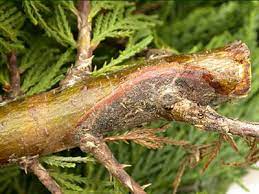
However, certain browning patterns should immediately raise concern. Watch for browning that starts at branch tips and moves inward, sudden browning across large sections of the tree, or browning accompanied by cankers (those sunken, discolored areas that indicate fungal infection).
Even evergreens shed some interior needles each autumn as part of their natural cycle. If you notice some interior needle browning while the branch tips stay green and healthy, that’s likely just seasonal needle drop.
The Two Deadliest Leyland Cypress Diseases
1. Seiridium Canker Disease
The most common killer of Leyland cypresses in Atlanta is Seiridium canker, a fungal disease that attacks branch tips, causing them to brown and die from the outside in. You’ll recognize its presence by small, sunken cankers on affected branches (dark, oval-shaped lesions that appear dented into the bark).
This disease spreads through multiple pathways: contaminated pruning tools, rain splash, and even physical contact with infected plant material. Without proper tool sanitation between cuts, you can accidentally spread the disease throughout your entire tree row.
2. Botryosphaeria Canker
Botryosphaeria canker represents a more serious threat. This aggressive fungal infection attacks the main trunk, creating large cankers that effectively girdle the tree by cutting off nutrient flow. Once Botryosphaeria establishes itself on the main trunk, the prognosis is typically poor.
This disease particularly targets trees that are already stressed from environmental factors like poor drainage, drought, or inadequate growing conditions.
Planting Mistakes That Guarantee Tree Death
The Critical 15-Foot Spacing Rule
The most common planting mistake we encounter is inadequate spacing. These trees need approximately 15 feet of diameter space to develop properly (sufficient room for healthy root development and adequate air circulation). When planted too close together, they compete aggressively for water, nutrients, and growing space.
Many homeowners plant them 6-8 feet apart seeking immediate privacy, not realizing this overcrowding creates long-term problems. Closely spaced trees develop poor air circulation, which maintains high humidity levels and creates ideal conditions for fungal disease development.
Sunlight and Drainage Requirements
Leyland cypresses are sun worshippers that need about 6 hours of direct sunlight daily to maintain their health and that coveted dense foliage. Plant them in shade, and they’ll gradually weaken like a person trying to survive on coffee and crackers: they might hang on for a while, but they won’t thrive.
Drainage is equally critical. These trees perform best in well-draining soil with good organic content. Plant them in heavy clay that stays soggy, or in low spots where water pools after every rain, and you’re essentially asking them to live with their feet in buckets of water. Poor drainage creates oxygen-starved soil conditions that weaken roots and roll out the red carpet for disease problems.
Environmental Stress Factors Weakening Your Trees
The watering game is trickier than it looks. Both overwatering and underwatering can kill Leyland cypresses, just through different routes. Overwatering (often from well-meaning but overzealous sprinkler systems) creates soggy soil conditions that lead to root rot and provide perfect growing conditions for those troublesome canker diseases.
On the flip side, underwatering during Atlanta’s notoriously hot, dry summers stresses trees and makes them sitting ducks for pest infestations and disease problems. Stressed trees are similar to people with compromised immune systems: they simply can’t mount effective defenses against threats.
Mulching mistakes are another common culprit we see regularly. When homeowners pile mulch against the trunk (what we call “volcano mulching”), it creates moisture and pest problems that can slowly kill trees. The right approach involves maintaining a 2-3 inch layer of mulch that respectfully stays at least 12 inches away from the trunk base.
Soil compaction is the silent killer that prevents oxygen from reaching roots and makes it nearly impossible for trees to absorb water and nutrients effectively. This is especially common around new construction sites where heavy equipment has essentially turned the soil into concrete, or in high-traffic areas where constant foot traffic has packed the earth tight.
Common pest problems include bagworms (moth larvae that create those distinctive cone-shaped bags while munching on foliage) and spider mites (microscopic troublemakers that create fine webbing and literally suck the life out of needles). Both love to target already-stressed trees, making bad situations worse.
When to Call Professional Arborists vs. DIY Treatment
When caught early enough, some Leyland cypress problems can be successfully treated (it’s all about timing and proper technique). For Seiridium canker, careful pruning of affected branches using sanitized tools between each cut can stop the disease’s spread. Think of it like performing surgery with sterile instruments: cross-contamination ruins everything.
Improving the environment
Improving environmental conditions often produces the most dramatic results. Adjusting irrigation schedules, improving drainage, reducing soil compaction, and implementing proper fertilization programs can help stressed trees regain their health and disease resistance.
Professional assessment becomes crucial when you’re dealing with extensive disease problems or when trees show signs of trunk cankers. Trees with limited canker issues and good overall health often respond well to treatment, but trees with extensive trunk cankers (especially from Botryosphaeria) rarely make successful comebacks.
When to replace the trees
Replacement planning should consider alternatives that might perform better in your specific conditions. Native evergreen alternatives often provide better long-term performance with fewer disease headaches. Proper spacing, thoughtful site selection, and species choice can prevent you from repeating the same mistakes that led to your current tree troubles.
Accurately diagnosing Leyland cypress problems requires understanding the complex dance between diseases, environmental factors, and care practices. What appears to be a single issue might actually be several problems working together like a perfect storm to weaken your trees. Our certified arborists regularly evaluate failing Leyland cypress installations and develop comprehensive treatment plans that address both immediate symptoms and underlying causes.
Act fast to prevent problems
The key to success is acting quickly when you first notice problems. Early intervention often makes the difference between saving trees and losing entire privacy screens. Sometimes this means treating the trees that can be saved while developing replacement plans for those beyond help, but proper professional tree evaluation guides these important decisions with science rather than guesswork.
Watching your Leyland cypresses turn brown and wondering what’s going wrong? Don’t wait for problems to get worse (time is rarely on your side with tree diseases).
Our team of certified arborists can accurately diagnose what’s happening, recommend appropriate treatments, and help you develop a long-term strategy for maintaining healthy screening trees. Because losing your privacy doesn’t have to mean starting completely over, if you catch problems early enough and respond appropriately.