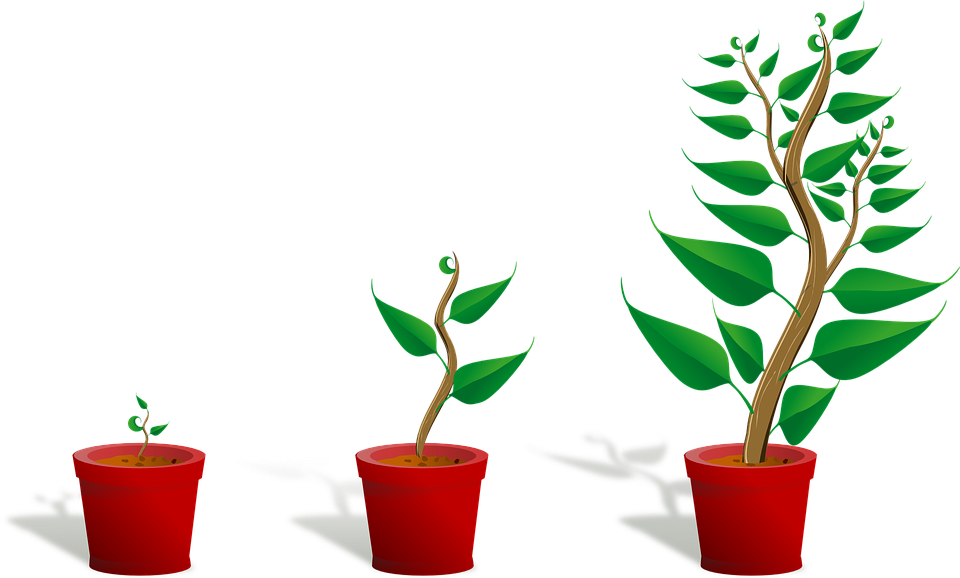
When Planting, it is common to give trees 50 to 60 feet of space.
Trees are frequently planted and given enough spacing based on the spread of their mature canopy. It is common to give trees 50 to 60 feet of space. This allows the full tree tops to develop. To protect foundations, driveways, sidewalks, utility lines, retaining walls, drains and sewers, follow these suggested spacings:
- Small trees: For magnolias, flowering dogwoods, or smaller conifers, as examples, you should provide 10’of space.
- Medium- intermediate trees: For Japanese maples, birch trees, or fruit trees, as examples, you should provide 20’of space.
- Large-trees: For flowering pears, sugar maples, Gingko or oak, as examples, you should provide 35 to 50’ of space.
- Aggressively large trees: For silver maples poplars, or willows, as example, you should provide 100’ of space.
If you have any questions about the trees you want to plant, please call Northside Tree Professionals at 770-394-0905.
With some pre-planning for you new tree, planting them in the correct spot on your property can help you avoid potential issues when your tree is fully-grown. When you are planting tree or multiple trees on your property, there is much to scrutinize in the process. Spacing is one major factor. Here are some tips to making wise choices when planting:
- Avoid planting most trees to close to you home, otherwise the tree roots may tunnel under your home and create foundation damage the.
- If you have a septic system in your yard, trees with substantial roots can block up the underground field lines
- In-ground utilities should be located before digging. Call 811 and someone from the utility companies will come and mark you yard. Also, be aware of any overhead utilities lines when planting your new tree. When the tree is full grown, its branches may interfere with these lines.
- Many trees have an average high much taller than your home when full grown. You should leave space between you newly planted tree and you home so that the tree’s limbs won’t hang over and touch your roof.
It is great if you are planning to plant a new tree on your property. Call our Certified Arborist for professional advise.
Trees can be spaced closer together for quicker full shade and canopy cover, but they may encroach on each other’s root space in the future. There is a frequent misconception that the roots of a tree are in some way a mirrored image of the branches in size and shape. This is not correct. For most trees, the width of the root system is 1½ to three times the height of the tree. Thus, a fifty foot tree could have some of its smaller feeding roots as much as 140 feet away from the trunk.
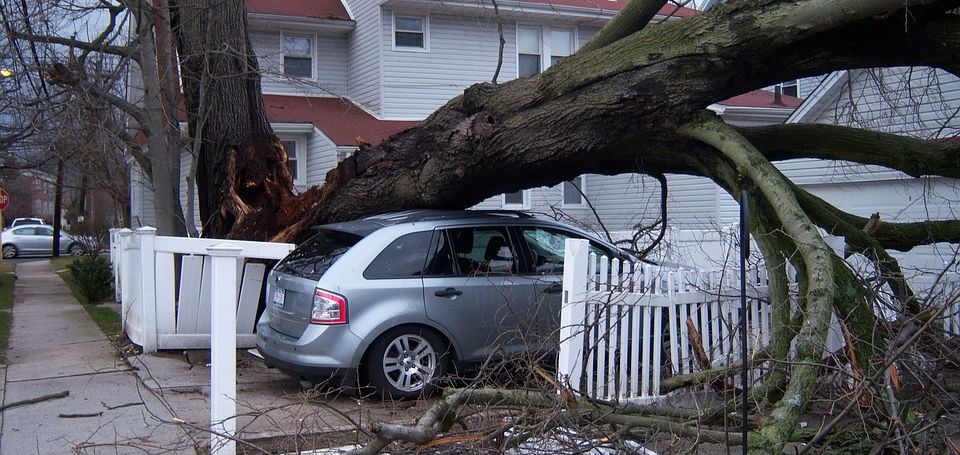
Planting trees too close to your home or your neighbor’s home can, in the future, turn out to be a costly decision. It is better to hire an arborist to give you some advice about planting your tree (both the placement and the type of tree to plant) than to end up having the expense of removing a poorly placed tree due to either root damage to adjacent structures or the tree crowding other trees in the yard.
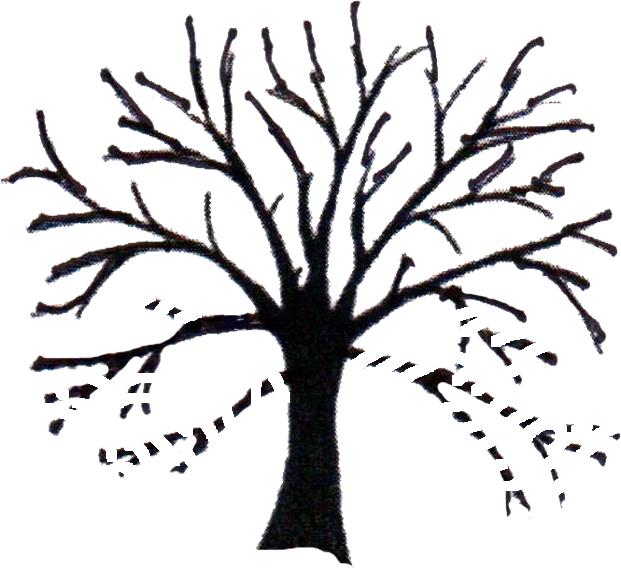 1). Crown Lifting: This action comprises the removal of the lower branches that are in the tree’s crown. This is done for a number of reasons; one is to create a better look, two is to make space for overhanging limbs, and three is to aid the tree’s health by stabilizing the weight of the crown.
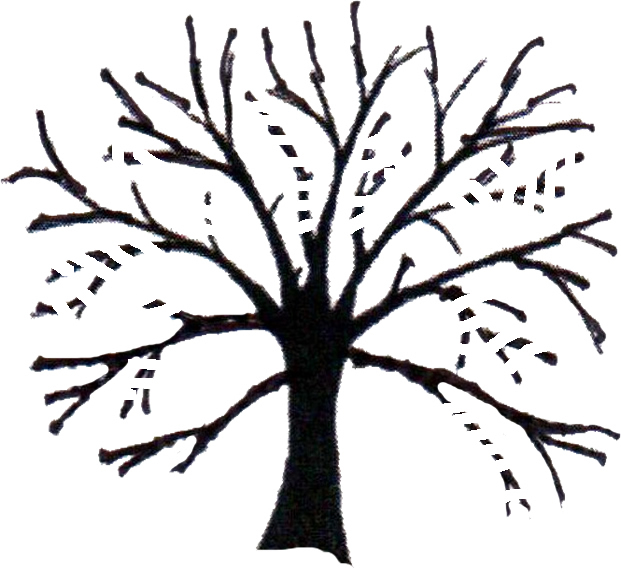 2). Crown Thinning: This process is probably one the most important steps that can be done to aid in your tree’s longevity. This step is where, staring from the top of the crown and working down, thinner limbs and crowded branches are removed.
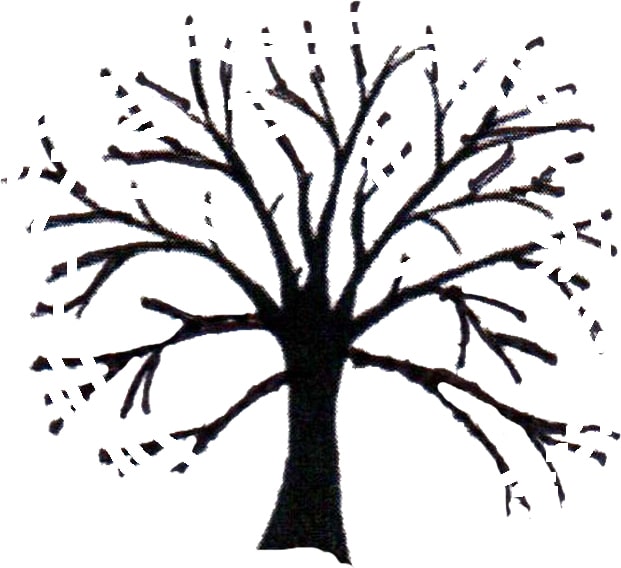 3). Crown Reduction: This service works much like a haircut, where overgrowth is removed from all over the crown. The approach of crown reduction is simple, it involves removing the overgrown smaller branches as well as some of the bigger limbs.
 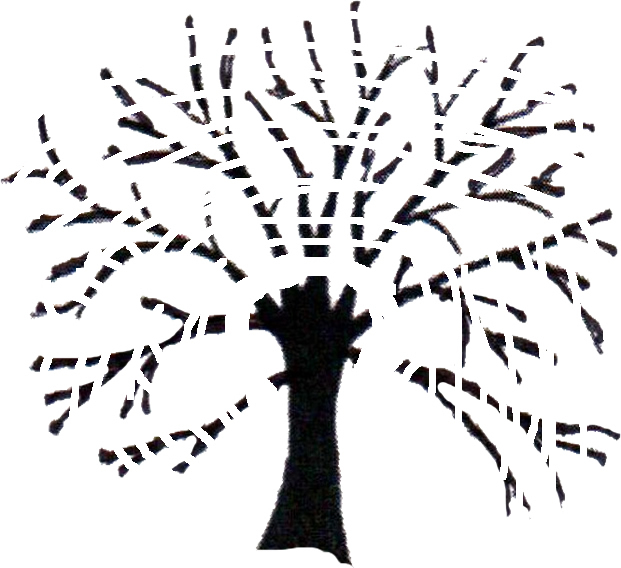 4). Pollarding: This procedure is often a misused practice that is meant exclusively for young and healthy trees that are in still in their growth process. This technique is where all the limbs and branches are cut back to the knuckles. This process should not be done all at once but in intervals.